
Adaptive Performance Management
A human-centric approach
APM is a modern human-centric approach to employee performance management that intentionally connects performance of your employees to business outcomes, enabling the organization to outsmart their competition in adapting to an ever increasing complex and fast changing environment

Engagement drives performance
To improve performance we must go back to it’s core: employee engagement. It’s engagement that drives the creativity, persistence, and motivation of people that leads to better performance. As a matter of fact, engagement is a powerful leading indicator for performance.

Focus on individual strengths
In most organizations performance management practices are remedial in nature. They focus on improving relative weaknesses. APM focuses on strengths instead. People are much more likely to excel in areas they are already good at. APM proposes to mold jobs around strengths.

Frequent check-in meetings
In APM, you as a manager don’t check on people. Rather, they check in with you. What are they working on? What are they trying to achieve? And where do they need your help? The check-in meeting is not a feedback meeting. It’s meant to give attention and provide support.
In today’s complex fast changing world, organizations need to master the ability to reinvent themselves and outsmart the competition.
We believe this need calls for a fundamental different approach to leadership and employee performance management. It’s your people that posses the potential to drive change, think out-of-the-box, and persistently pursue opportunities.
No manager can hope to be smarter than the combined brainpower and creativity of their people. Yet, only 3% of employees think managers treat them as key parts of the organization.
Adaptive Performance Management (APM) is a framework backed by science that maximizes performance based on employee engagement; supporting individual strengths; and coaching rather than feedback.
10 issues to solve
In Adaptive Performance Management we have identified ten fundamental flaws in traditional performance management practices. See if you can spot them in your organization.
9 guidelines to inspire you
Our guidelines are here to inspire. They guide you along your journey discovering and implementing a better way of performance management. They are applicable in every context for every organization.
8 practices to start with
The practices provide carefully designed concrete tools and processes you can use to jump-start your organization’s performance management system. However, you can and should adapt them to your local context.
The APM model
A step-by-step- approach to get you started

The APM method had five core practices and three supporting practices. Together, they support the implementation of modern employee performance management practices that support business agility.

1. Measure engagement
We consider employee engagement a leading indicator for performance. So start by assessing the engagement level in your team, department, or organization.

2. Assess & support strengths
Every employee takes a strengths test to help them identify their personal strengths. From now on, supporting employees to use their strengths in your main focus.

3. Conduct frequent check-ins
Instead of performance review and feedback sessions, you frequently have check-in meetings with your team members. How can you help them achieve their goals?

4. Clarify jobs
Help team members control their own job; measure their own progress; and understand how their job matters to others.

5. Craft goals
Help team members set goals that are cascading; frequent; self-owned; measurable; selfless; and relevant
Be aware of the idiosyncratic rater effect
Traditional review systems don’t measure the employee. They measure the rater instead…
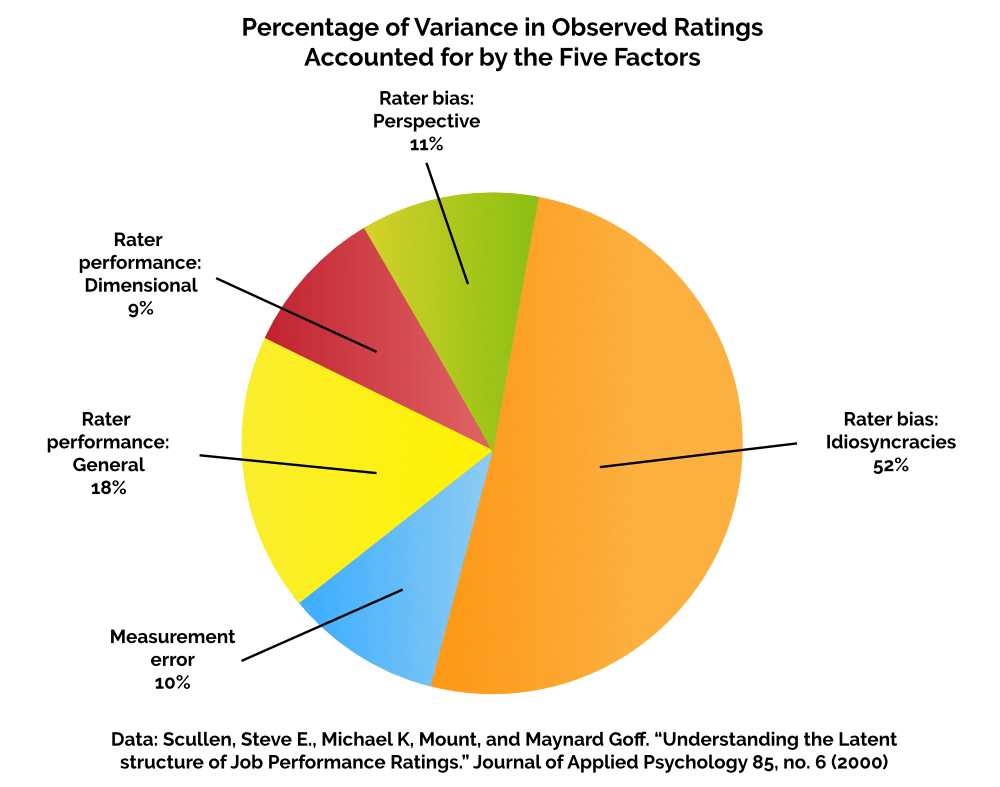
Organizations spend countless hours on gathering performance review data… that is simply very unreliable…

Focus on strengths. Not on deficiencies

Curious how your organization is doing?
Take the APM quick scan and get a free report on how your organization stacks up against APM guidelines and practices.

Use our guidelines to ignite your adoption of a modern approach to performance management
Yes, some of these guidelines might come across as no-brainers. However, we have studied many organizations and trust us: they are not.
Ask yourself this: How much time do you spend on formal review systems like 360 degree feedback sessions; filling in appraisal reports; discussions on ratings?
Here’s what Deloitte says:
“We found that creating the ratings consumed close to 2 million hours a year.”
What if you would spend that time actually helping your employees to get better?
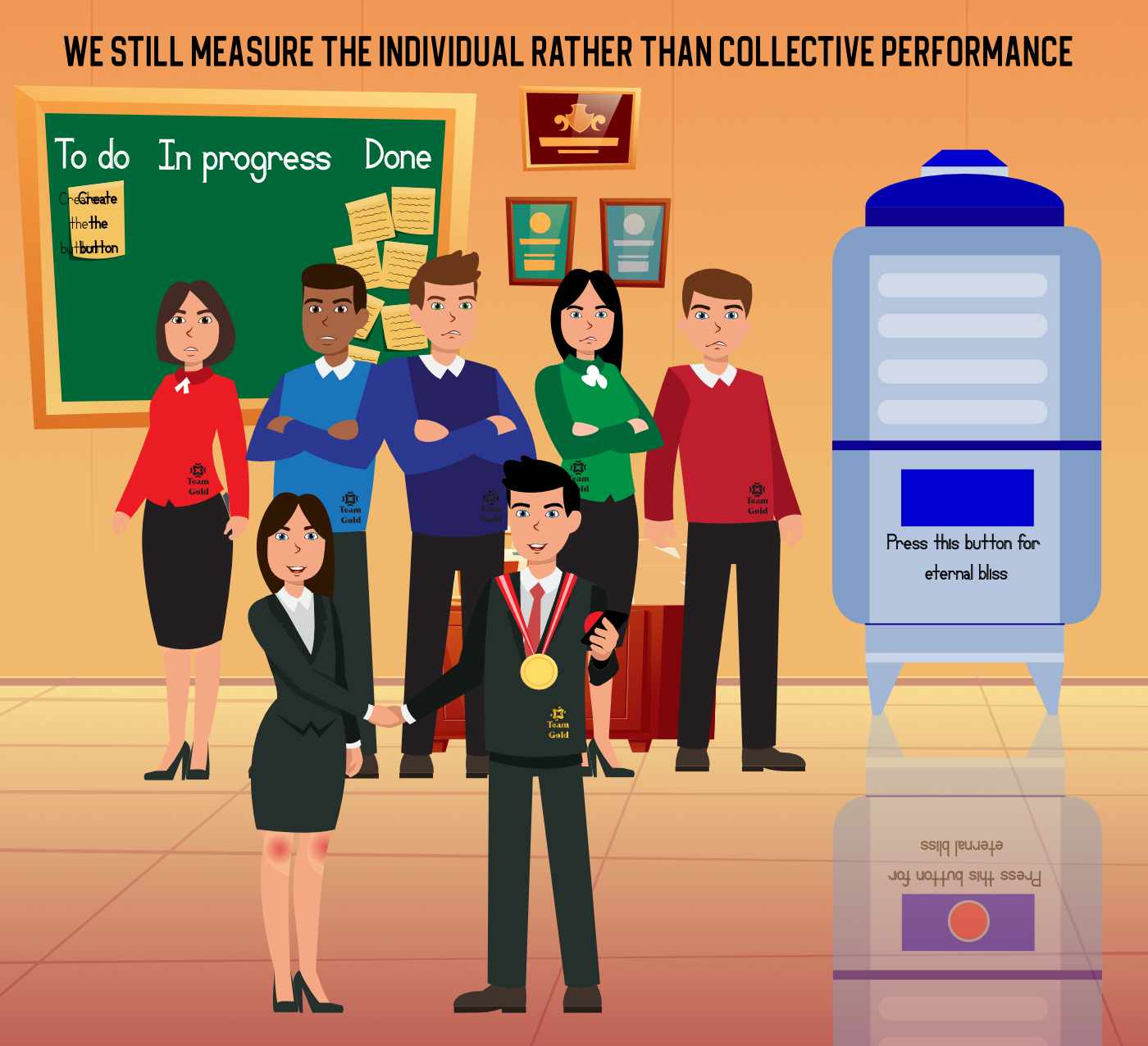
Focus on collaboration, rather than individual performance
In most organizations, performance reviews concentrate on assessing individual employee performance. However, nowadays, most work is highly collaborative in nature. APM’s goal is to clarify the relationship between one’s job and that of colleagues. This has the added benefit of enhancing the job’s perceived meaningfulness. It also ensures employees optimize their work for the benefit of colleagues that rely on their output.
Adaptive Performance Management course
Our self-paced online course on APM is a pivoting step towards a modern human-centered performance management system:
Employee Engagement
Learn strategies to boost intrinsic motivation and unlock your team’s full potential.
Collaborative Work Dynamics
Understand the importance of collaboration in modern work environments and how to foster it effectively.
Strengths-Based Management
Discover how to identify and leverage individual strengths for enhanced productivity and engagement.
Check-in meetings
Learn how frequent supportive check-in meetings replace traditional review meetings.

Some of our tools
Job Clarification
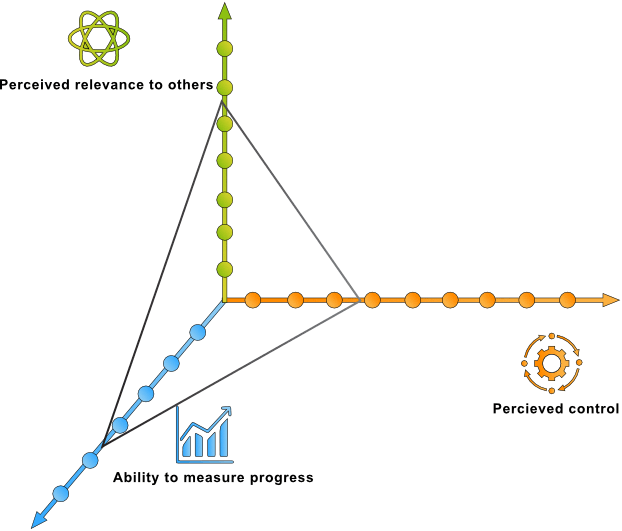
For someone to perform at their best it is crucial there is clarity on one’s job. And it’s your job to help them clarify their job. Our Job Clarification Assessment helps.
Job clarity has multiple aspects:
- Clarity on the why;
- Control over your own job;
- Knowing how your job matters to others;
- Measuring your own progress

Performance-Values Matrix
Most organizations have core values. But are they really part of your performance management system? Values aligned behavior is as important as hard performance.
Learn powerful strategies to balances performance and values aligned behavior. Make sure you do not sacrifice values for performance.
Implementation roadmap
Although every implementation of APM will be different there is of course an approach everyone can benefit from. Hence our implementation roadmap to help you on your way.
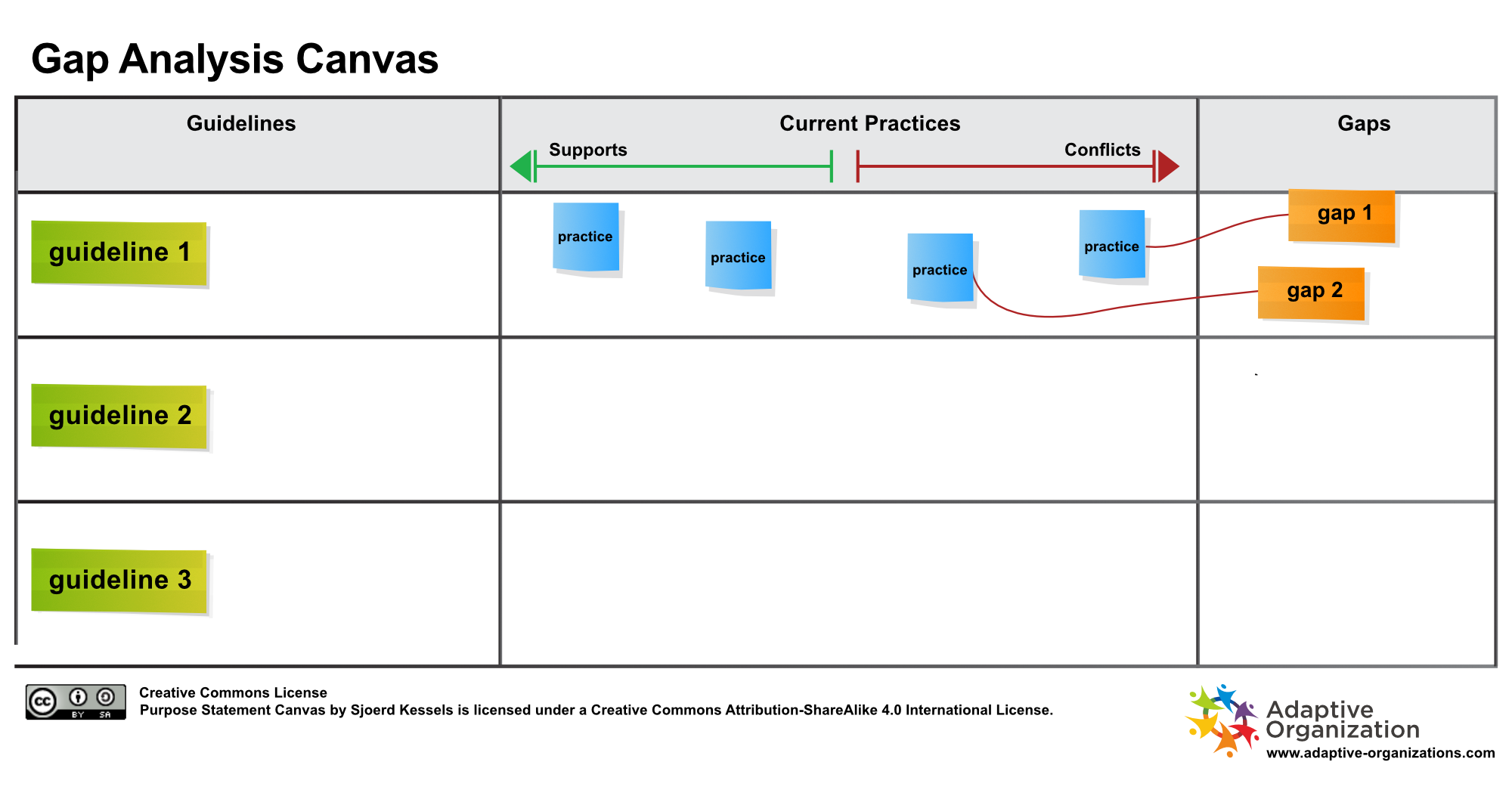
We have useful tips how to gather your change team and build a change vision. One of the implementation tools is a Gap Analyses workshop and canvas that will help you identify gaps in your current practices in relation to the APM guidelines. Another one is the Options Workshop to identify and later prioritize options for improvement. And we guide you to the use of disciplined experiments to actually implement your options.